7 Signs Your Gas Furnace Needs Repair Before It Breaks
Warning Signs Your Gas Furnace Needs Repair
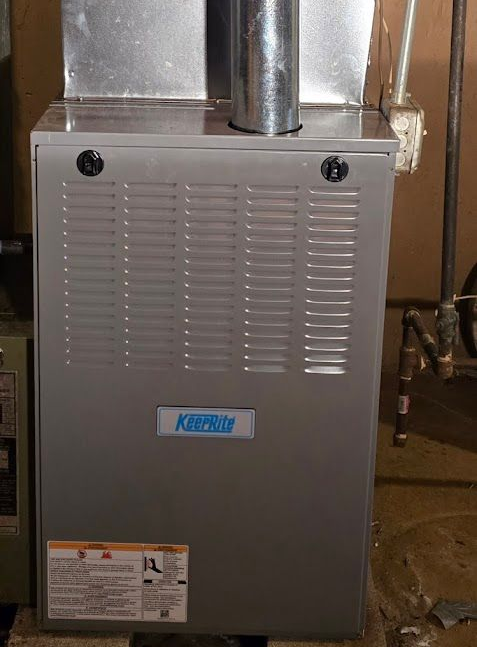
As winter approaches, ensuring your home heating system is functioning properly becomes increasingly essential. A well-maintained gas furnace provides reliable warmth, while neglecting maintenance can lead to unexpected breakdowns and costly repairs. Here are some key signs that your gas furnace may need repair before it fails.
1. Unusual Noises
If your gas furnace starts making strange noises, it’s often an early warning sign of trouble. Sounds to be aware of include:
- Banging: This may indicate loose parts or an ignition issue.
- Squealing: A sign of a faulty blower motor or worn-out belt.
- Rumbling: This may indicate dirty burners or a gas supply issue.
Being attentive to the sounds your furnace makes can help you catch problems early.
2. Inconsistent Heating
Experiencing temperature fluctuations is another red flag. If certain rooms are noticeably colder or warmer than others, your gas furnace may be struggling to distribute heat evenly. This inconsistency can stem from various issues, such as:
- Blocked ducts or vents
- A malfunctioning thermostat
- Aging components that require attention
Addressing these problems early can prevent further damage and maintain heating efficiency.
3. Yellow or Flickering Pilot Light
A healthy gas furnace should have a steady blue flame. If you observe a yellow or flickering pilot light, it may indicate a problem with the burners or incomplete combustion. This not only affects heating performance but can also be a safety hazard. If you notice this change, it's crucial to have a professional inspect your system.
4. Increased Energy Bills
Sudden spikes in your energy bills may indicate an underlying issue with your gas furnace. If your heating costs have risen without a corresponding drop in temperature, your furnace is working harder due to inefficiency. Common causes include:
- Dirty filters
- Leaky ducts
- Faulty components needing repair
Regularly monitoring your energy usage can help you identify these discrepancies promptly.
5. Strange Odors
Any unusual odors from your gas furnace should not be ignored. While a slight odor is typical during initial startup after a period of inactivity, persistent or pungent odors may indicate a problem. For instance:
- Gas odor: A sulfur-like smell can indicate a gas leak, a serious safety hazard. If you smell this, evacuate immediately and call a professional.
- Burning smell: This may indicate dust accumulation, which is typically harmless. However, if the odor persists, it may indicate overheating or mechanical failure.
6. Frequent Cycling
If your furnace turns on and off frequently, it is short-cycling. This behavior can reduce your furnace's lifespan and efficiency. Causes can include:
- A malfunctioning thermostat
- Blocked air filters
- Oversized furnace units
Having this issue resolved early can help sustain your furnace’s efficiency and longevity.
7. Age of the Furnace
The age of your gas furnace is a key factor in its efficiency and failure risk. If your furnace is over 15 years old and showing any signs of distress, it may be time to consider replacement or repair. Regular maintenance can extend its life, but older furnaces may struggle to meet modern efficiency standards.
Recognizing these signs of potential issues with your gas furnace can help you take proactive measures before a major breakdown occurs. Regular maintenance, timely repairs, and vigilant monitoring of your furnace's performance can help ensure your home remains warm and comfortable throughout the winter. If you suspect any issues, consult a professional HVAC technician to diagnose and repair your furnace, ensuring your home stays safe and comfortable.
Do You Need a Furnace Inspection in Orland Park or the Chicagoland Area?
If you’re a homeowner in
Orland Park,
Tinley Park,
Burbank, or
Olympia Fields and think it’s time to have your
furnace inspected—or if you know it needs repair—contact us at Any Season Heating & Air Conditioning. Our certified technicians can get out to you in an emergency, 24 hours a day, seven days a week.